

If you go out in the woods today, you might just see a black bear...
- AMFRS

- Mar 7
- 3 min read
Updated: Mar 18

Whelp, Anarchist Mountain neighbours, it looks like this is a wrap for winter 2025/2026. And that means its only a matter of time until our resident black bears are waking up - VERY HUNGRY - and on the lookout for easy sources of food.
Starting the end of March, community volunteers from the AMFRS Wildlife Safety Program, in partnership with WildSafeBC RDOS, will be initiating weekly garbage audits on Monday nights. We'll place a friendly reminder on the top bins that are not in compliance with the RDOS Bylaw No. 2819/2018 which requires that garbage be placed out after 5 am the morning of pick-up.
We can all do our part to prevent negative wildlife interactions by properly securing all attractants (garbage, BBQs/smokers, bird feeders, pet and livestock food). And remember, a fed bear is a dead bear.

Extracts from this WildSafe BC brochure:
Manage your attractants
If you manage the bear attractants around your house, worksite or campsite, you can keep your family safe and keep bears from being destroyed. There are a number of things you can do:
Keep all garbage securely stored until collection day. Placing garbage at the curb before collection day is poor behaviour and often illegal if your community has garbage bylaws.
Manage your fruit trees and berry bushes responsibly. Pick all fruit as it ripens and ensure that windfalls do not accumulate.
Bird feeders often become bear-feeders, so please - only feed birds during the winter months.
Feed pets indoors, or if fed out of doors, take in any feed that is not immediately eaten.
Keep your barbeque clean and free from odours. Burn off the grill everytime after use and clean out the grease traps.
Manage your compost properly. Composts should have equal amounts of brown and green materials added to reduce odours.
If you keep chickens, bees, or small livestock, use a properly-installed and maintained electric fence. Store all your feed in a secure location and ensure feeding areas are clean and free of attractants.
Bear Safety Tips
When hiking, travel in groups of two or more and keep talking (talk out loud to yourself if you are on your own). Bears recognize human voice and will avoid you in most instances.
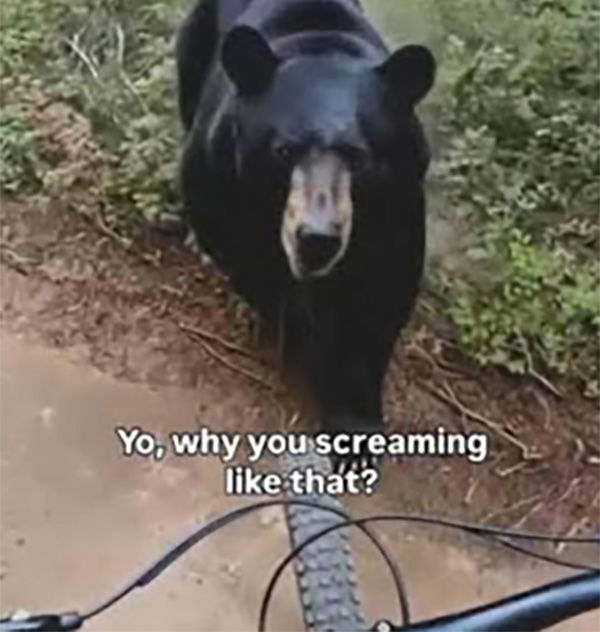
Carry bear spray with you when hiking in bear country. If you encounter a bear, do not yell, scream, or run as this may trigger an attack. If the bear sees you, speak in a low voice to let the bear know that you are a human and move away slowly.
If you have a bear in your yard, slowly retreat into the house and ensure the home is secure. Call the Conservation Officer Service reporting line 1-877-952-7277 to report the bear. After the bear has left ensure that whatever attracted the bear is removed.

Extracts from this WildSafeBC brochure:
Human-Bear Conflicts
Bears account for approximately 20,000 calls to the Conservation Officer Service reporting line every year.
Garbage is the number one bear attractant cited when reporting a call.
Relocation seldom works with bears. Individuals often return to their original home territory or become "problem" animals in other communities. In addition, translocated wildlife often fail to adapt to their new habitat and, as a result, may starve to death or be killed by those animals that already occupy the area.
Bears that become highly food-conditioned and habituated to humans are often destroyed because of concerns for human safety.
Early reporting of a bear in a neighbourhood helps us address the underlying issues before it becomes a problem.


Comments